Compact system, maximum return
A compact 3.4 kW design focused on strong return and clear performance visibility.
- Location
- Crediton, Exeter and Devon
- Property
- 3-bed Semi
- Service
- Solar Panels
- Date completed
- 2025
The situation
Limited south-facing roof space on a semi-detached property. Budget-conscious customer wanting best return on a smaller system.
What we designed and installed
3.4 kW system on south-facing tile roof with standard string inverter because the roof was unshaded. Monitoring configured at handover.
| Component | Specification |
|---|---|
| Solar PV | 3.4 kW - 8 x High-efficiency monocrystalline panels |
| Inverter | String inverter |
| Monitoring | Inverter portal |
How we set it up
System output baseline and homeowner usage guidance were reviewed, including recommended usage windows for stronger self-consumption.
Results
Saving approximately GBP750/year. Payback projected at approximately 5.5 years.
| Metric | Value | Basis |
|---|---|---|
| Annual savings | Approximately GBP750/year | Estimated |
| Estimated payback | Approximately 5.5 years | Estimated (based on current tariff rates) |
Results labelled estimated are based on system modelling and typical usage patterns. Results labelled observed are based on actual monitoring data collected after installation. Observed results may differ from estimates due to weather, usage changes, and tariff adjustments.
The installation
Considering a similar project? Start with a free, no-obligation estimate for your home.
More case studies
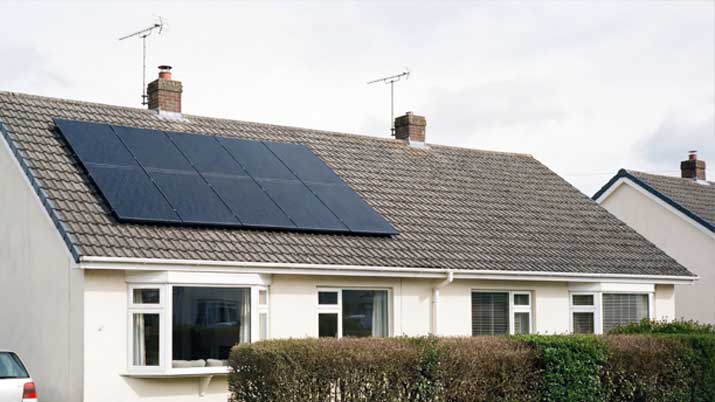
Heritage slate roof with partial shading, 2025
Tiverton - Detached Cottage
Generating approximately 4,100 kWh/year and saving approximately GBP950/year on Octopus Flux.
View case study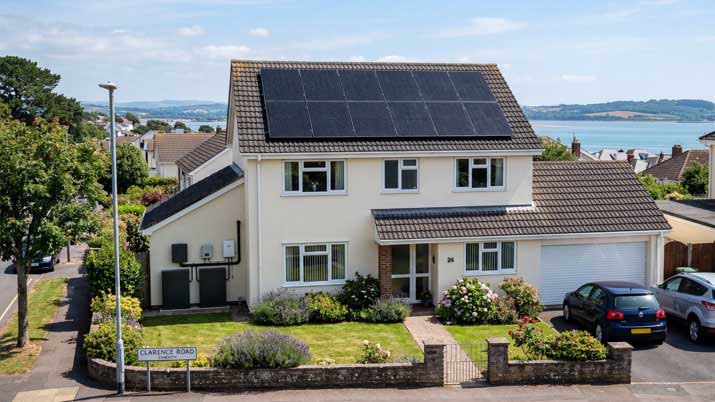
Solar and battery tuned to time-of-use tariff, 2025
Exmouth - 4-bed Detached
Self-consumption increased from approximately 40% to approximately 78% after retrofit and tariff optimisation.
View case study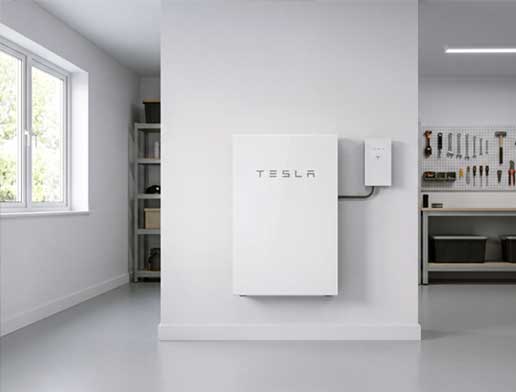
Battery retrofit to existing solar system, 2025
Newton Abbot - 3-bed Semi-detached
Self-consumption increased from approximately 35% to approximately 70% with a new hybrid inverter and tariff setup.
View case study